
Catalog Literary Definition
Catalog Literary Definition - Writers use it to make a list of more than one thoughts in a unified form. This device is commonly used in epic poetry. In literature, cataloging serves as a tool for poets and writers, enabling them to present a wide array of images, themes, and concepts within their work. Browse through our list of literary devices and literary terms with definitions, examples, and usage tips. Writers use it to make a list of multiple thoughts in a. Explore each device in depth through literature. Catalog or catalogue is a literary device used in poetry and prose to provide a list of factors and create a rhetorical effect. Verse that records the names of several persons, places, or things in the form of a list. These lists not only add depth to the narrative but. Pied beauty by gerard manley hopkins this extract has been taken from one of the famous poems of hopkins, “pied beauty.” the poet praises god for dappled and spotted things. Writers use it to make a list of multiple thoughts in a. Such verse exists in almost all literatures and is of ancient origin. It is common in epic poetry, where the heroes involved in a battle are often enumerated. Verse that records the names of several persons, places, or things in the form of a list. Cataloging is the systematic process. How to use catalog in a sentence. In the context of epic poetry, a catalogue is a systematic list or inventory of characters, places, or events that plays a significant role in building the narrative and enhancing the epic's grandeur. A catalog poem includes or consists of the enumeration of things, people, places, feelings, actions, ideas, etc. These lists not only add depth to the narrative but. What is a catalog poem, and is it easy to write? Catalog or catalogue is a literary device used in poetry and prose to provide a list of factors and create a rhetorical effect. What is a catalog poem, and is it easy to write? A list poem is a deliberately organized poem containing a list of images or adjectives that build up to describe the poem’s subject matter through an. Catalog or catalogue is a literary device used in poetry and prose to give a list of things and create a rhetorical effect. Catalog verse, verse that presents a list of people, objects, or abstract qualities. In the context of epic poetry, a catalogue is a systematic list or inventory of characters, places, or events that plays a significant role. Writers use it to make a list of more than one thoughts in a unified form. In epic poetry, catalogs are detailed lists or enumerations that serve to provide information about characters, places, or significant events. Explore each device in depth through literature. The meaning of catalog is list, register. It often includes descriptive or informative details about each item. What is a catalog poem, and is it easy to write? Writers use it to make a list of multiple thoughts in a. Catalog definition catalog or catalogue is a literary device used in poetry and prose to give a list of things and create a rhetorical effect. Check out the catalog poem definition and catalog poem samples, and give. What is a catalog in literature? How to use catalog in a sentence. Writers use it to make a list of multiple thoughts in a. A list poem is a deliberately organized poem containing a list of images or adjectives that build up to describe the poem’s subject matter through an inventory of things. In the context of epic poetry,. Explore each device in depth through literature. It often includes descriptive or informative details about each item and is typically used for reference,. Cataloging is the systematic process. Writers use it to make a list of multiple thoughts in a. A list poem is a deliberately organized poem containing a list of images or adjectives that build up to describe. Browse through our list of literary devices and literary terms with definitions, examples, and usage tips. What is a catalog poem, and is it easy to write? What is a catalog in literature? In epic poetry, catalogs are detailed lists or enumerations that serve to provide information about characters, places, or significant events. A catalog in literature is a literary. A catalog in literature is a literary device that involves creating a long list of people, objects, or abstract qualities to provide detailed descriptions, emphasize. The meaning of catalog is list, register. A catalog poem includes or consists of the enumeration of things, people, places, feelings, actions, ideas, etc. Browse through our list of literary devices and literary terms with. In the context of literature, particularly in walt whitman's 'leaves of grass,' cataloging is used as a poetic technique to present a wide array of images, thoughts, and themes, allowing readers. A complete enumeration of items arranged systematically with descriptive details; The poet comments on the changeable nature of the world. In literature, a catalogue is a systematic list or. Such verse exists in almost all literatures and is of ancient origin. It is common in epic poetry, where the heroes involved in a battle are often enumerated. What is a catalog in literature? Catalog verse, verse that presents a list of people, objects, or abstract qualities. In literature, cataloging serves as a tool for poets and writers, enabling them. Catalog often uses the practice of listing, a collection of a series of. A catalog poem includes or consists of the enumeration of things, people, places, feelings, actions, ideas, etc. Writers use it to make a list of more than one thoughts in a unified form. Such verse exists in almost all literatures and is of ancient origin. It is common in epic poetry, where the heroes involved in a battle are often enumerated. Verse that records the names of several persons, places, or things in the form of a list. These lists not only add depth to the narrative but. As an act of prayer, he thanks god and provides a list of things god created. A catalog is a comprehensive list or record of items, usually arranged systematically. Pied beauty by gerard manley hopkins this extract has been taken from one of the famous poems of hopkins, “pied beauty.” the poet praises god for dappled and spotted things. Writers use it to make a list of multiple thoughts in a. Catalog definition catalog or catalogue is a literary device used in poetry and prose to give a list of things and create a rhetorical effect. In literature, cataloging serves as a tool for poets and writers, enabling them to present a wide array of images, themes, and concepts within their work. Catalog verse, verse that presents a list of people, objects, or abstract qualities. In the context of epic poetry, a catalogue is a systematic list or inventory of characters, places, or events that plays a significant role in building the narrative and enhancing the epic's grandeur. Browse through our list of literary devices and literary terms with definitions, examples, and usage tips.
Early catalogs, at least the ones that begin to resemble the catalogs that we use today, were
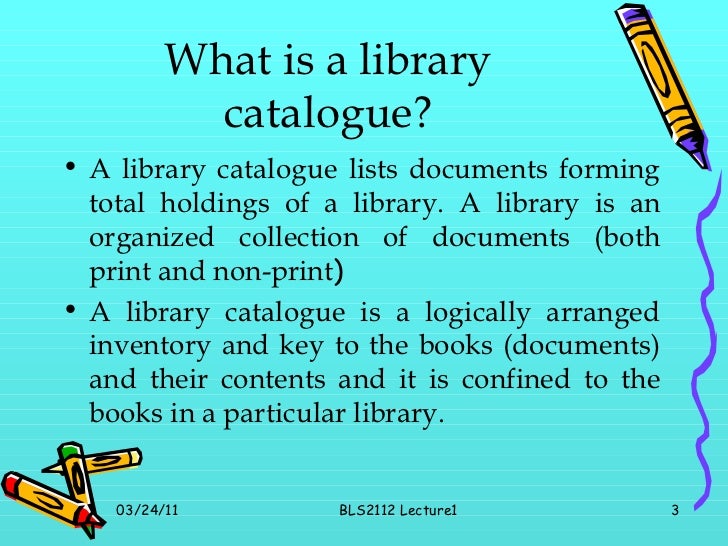
Cataloguing
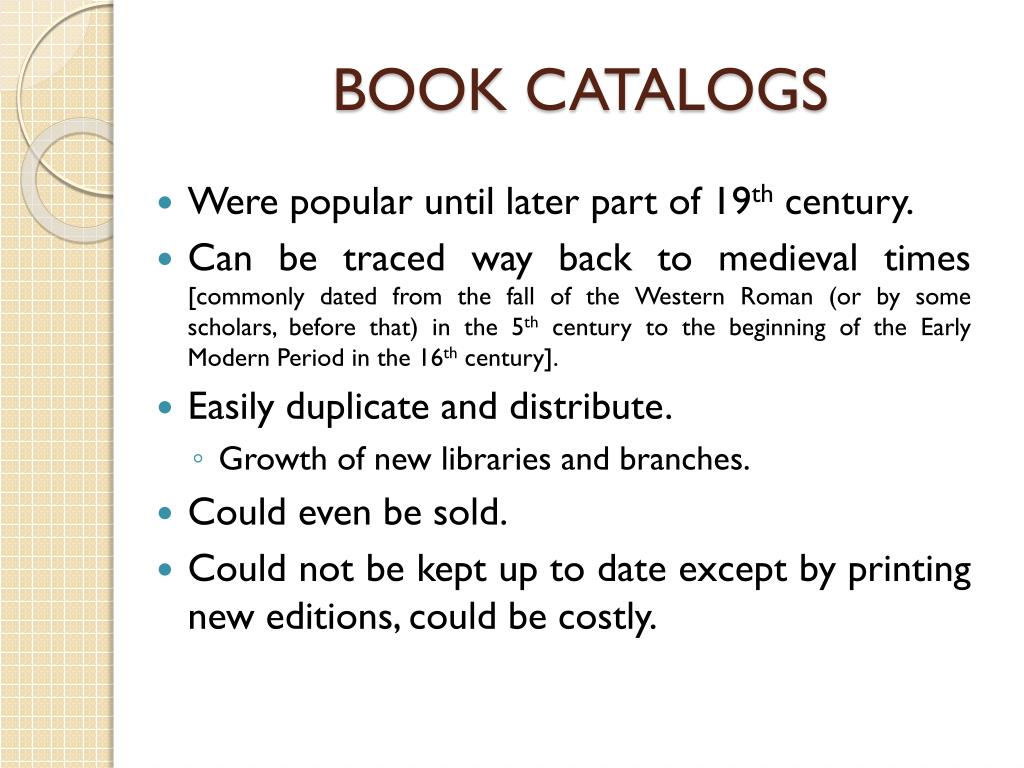
PPT CATALOGING PowerPoint Presentation, free download ID7066947
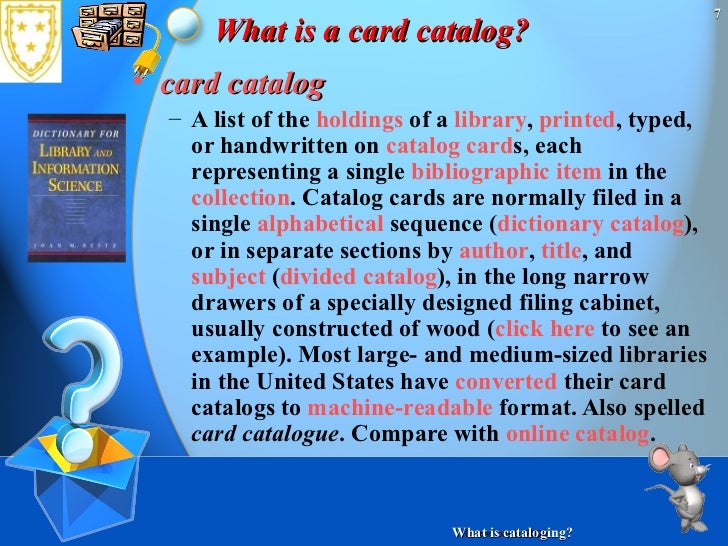
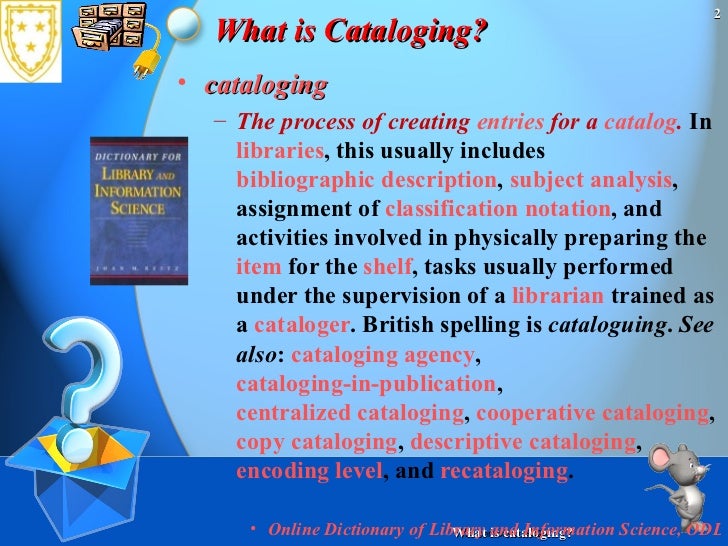
What Is Cataloging?
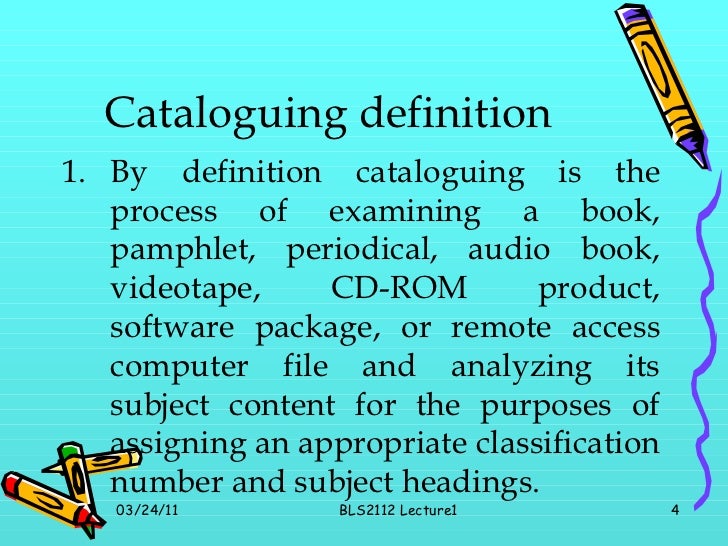
Cataloguing

Online Catalog Meaning at Hilda Morones blog
PPT Poem Project Overview PowerPoint Presentation ID2323661
Cataloguing

Catalog Definition and Examples Poem Analysis
What Is Cataloging?
The Poet Comments On The Changeable Nature Of The World.
This Device Is Commonly Used In Epic Poetry.
How To Use Catalog In A Sentence.
In Literature, A Catalogue Is A Systematic List Or Inventory That Details Characters, Events, Places, Or Themes, Often Presented In An Organized Manner.
Related Post: