
Create_Dynamic_Frame.from_Catalog
Create_Dynamic_Frame.from_Catalog - In this article, we'll explore five best practices for using pyspark in aws glue and provide examples for each. This document lists the options for improving the jdbc source query performance from aws glue dynamic frame by adding additional configuration parameters to the ‘from catalog’. From_catalog(frame, name_space, table_name, redshift_tmp_dir=, transformation_ctx=) writes a dynamicframe using the specified catalog database and table name. I have a table in my aws glue data catalog called 'mytable'. Try modifying your code to include the connection_type parameter: My issue is, if i use create_dynamic_frame_from_catalog (), it is running very slow, where as if i use create_sample_dynamic_frame_from_catalog () with max sample limit as 5 million, it is. I'm trying to create a dynamic glue dataframe from an athena table but i keep getting an empty data frame. Leverage aws glue data catalog: # read from the customers table in the glue data catalog using a dynamic frame dynamicframecustomers = gluecontext.create_dynamic_frame.from_catalog(database =. The athena table is part of my glue data catalog. I have a mysql source from which i am creating a glue dynamic frame with predicate push down condition as follows. I'm trying to create a dynamic glue dataframe from an athena table but i keep getting an empty data frame. Dynamicframes can be converted to and from dataframes using.todf () and fromdf (). Leverage aws glue data catalog: The athena table is part of my glue data catalog. # create a dynamicframe from a catalog table dynamic_frame = gluecontext.create_dynamic_frame.from_catalog(database = mydatabase, table_name =. From_catalog(frame, name_space, table_name, redshift_tmp_dir=, transformation_ctx=) writes a dynamicframe using the specified catalog database and table name. Now, i try to create a dynamic dataframe with the from_catalog method in this way: This document lists the options for improving the jdbc source query performance from aws glue dynamic frame by adding additional configuration parameters to the ‘from catalog’. With three game modes (quick match, custom games, and single player) and rich customizations — including unlockable creative frames, special effects, and emotes — every. Try modifying your code to include the connection_type parameter: Create_dynamic_frame_from_catalog(database, table_name, redshift_tmp_dir, transformation_ctx = , push_down_predicate= , additional_options = {}, catalog_id = none) returns a. # read from the customers table in the glue data catalog using a dynamic frame dynamicframecustomers = gluecontext.create_dynamic_frame.from_catalog(database =. Dynamicframes can be converted to and from dataframes using.todf () and fromdf (). I have a. I have a mysql source from which i am creating a glue dynamic frame with predicate push down condition as follows. Now, i try to create a dynamic dataframe with the from_catalog method in this way: With three game modes (quick match, custom games, and single player) and rich customizations — including unlockable creative frames, special effects, and emotes —. Use join to combine data from three dynamicframes from pyspark.context import sparkcontext from awsglue.context import gluecontext # create gluecontext sc =. Now, i try to create a dynamic dataframe with the from_catalog method in this way: My issue is, if i use create_dynamic_frame_from_catalog (), it is running very slow, where as if i use create_sample_dynamic_frame_from_catalog () with max sample limit. In this article, we'll explore five best practices for using pyspark in aws glue and provide examples for each. This document lists the options for improving the jdbc source query performance from aws glue dynamic frame by adding additional configuration parameters to the ‘from catalog’. I have a table in my aws glue data catalog called 'mytable'. When creating your. I have a table in my aws glue data catalog called 'mytable'. Use join to combine data from three dynamicframes from pyspark.context import sparkcontext from awsglue.context import gluecontext # create gluecontext sc =. I have a mysql source from which i am creating a glue dynamic frame with predicate push down condition as follows. I'm trying to create a dynamic. Create_dynamic_frame_from_catalog(database, table_name, redshift_tmp_dir, transformation_ctx = , push_down_predicate= , additional_options = {}, catalog_id = none) returns a. I have a mysql source from which i am creating a glue dynamic frame with predicate push down condition as follows. From_catalog(frame, name_space, table_name, redshift_tmp_dir=, transformation_ctx=) writes a dynamicframe using the specified catalog database and table name. Dynamicframes can be converted to and from. # read from the customers table in the glue data catalog using a dynamic frame dynamicframecustomers = gluecontext.create_dynamic_frame.from_catalog(database =. Use join to combine data from three dynamicframes from pyspark.context import sparkcontext from awsglue.context import gluecontext # create gluecontext sc =. Try modifying your code to include the connection_type parameter: I'm trying to create a dynamic glue dataframe from an athena. This document lists the options for improving the jdbc source query performance from aws glue dynamic frame by adding additional configuration parameters to the ‘from catalog’. Now, i try to create a dynamic dataframe with the from_catalog method in this way: I have a mysql source from which i am creating a glue dynamic frame with predicate push down condition. Try modifying your code to include the connection_type parameter: From_catalog(frame, name_space, table_name, redshift_tmp_dir=, transformation_ctx=) writes a dynamicframe using the specified catalog database and table name. In this article, we'll explore five best practices for using pyspark in aws glue and provide examples for each. Create_dynamic_frame_from_catalog(database, table_name, redshift_tmp_dir, transformation_ctx = , push_down_predicate= , additional_options = {}, catalog_id = none) returns a.. # create a dynamicframe from a catalog table dynamic_frame = gluecontext.create_dynamic_frame.from_catalog(database = mydatabase, table_name =. Now, i try to create a dynamic dataframe with the from_catalog method in this way: From_catalog(frame, name_space, table_name, redshift_tmp_dir=, transformation_ctx=) writes a dynamicframe using the specified catalog database and table name. The athena table is part of my glue data catalog. Create_dynamic_frame_from_catalog(database, table_name, redshift_tmp_dir, transformation_ctx. # read from the customers table in the glue data catalog using a dynamic frame dynamicframecustomers = gluecontext.create_dynamic_frame.from_catalog(database =. My issue is, if i use create_dynamic_frame_from_catalog (), it is running very slow, where as if i use create_sample_dynamic_frame_from_catalog () with max sample limit as 5 million, it is. I'd like to filter the resulting dynamicframe to. I have a mysql source from which i am creating a glue dynamic frame with predicate push down condition as follows. Create_dynamic_frame_from_catalog(database, table_name, redshift_tmp_dir, transformation_ctx = , push_down_predicate= , additional_options = {}, catalog_id = none) returns a. I'm trying to create a dynamic glue dataframe from an athena table but i keep getting an empty data frame. With three game modes (quick match, custom games, and single player) and rich customizations — including unlockable creative frames, special effects, and emotes — every. Leverage aws glue data catalog: From_catalog(frame, name_space, table_name, redshift_tmp_dir=, transformation_ctx=) writes a dynamicframe using the specified catalog database and table name. When creating your dynamic frame, you may need to explicitly specify the connection name. This document lists the options for improving the jdbc source query performance from aws glue dynamic frame by adding additional configuration parameters to the ‘from catalog’. # create a dynamicframe from a catalog table dynamic_frame = gluecontext.create_dynamic_frame.from_catalog(database = mydatabase, table_name =. I have a table in my aws glue data catalog called 'mytable'. Use join to combine data from three dynamicframes from pyspark.context import sparkcontext from awsglue.context import gluecontext # create gluecontext sc =. Try modifying your code to include the connection_type parameter: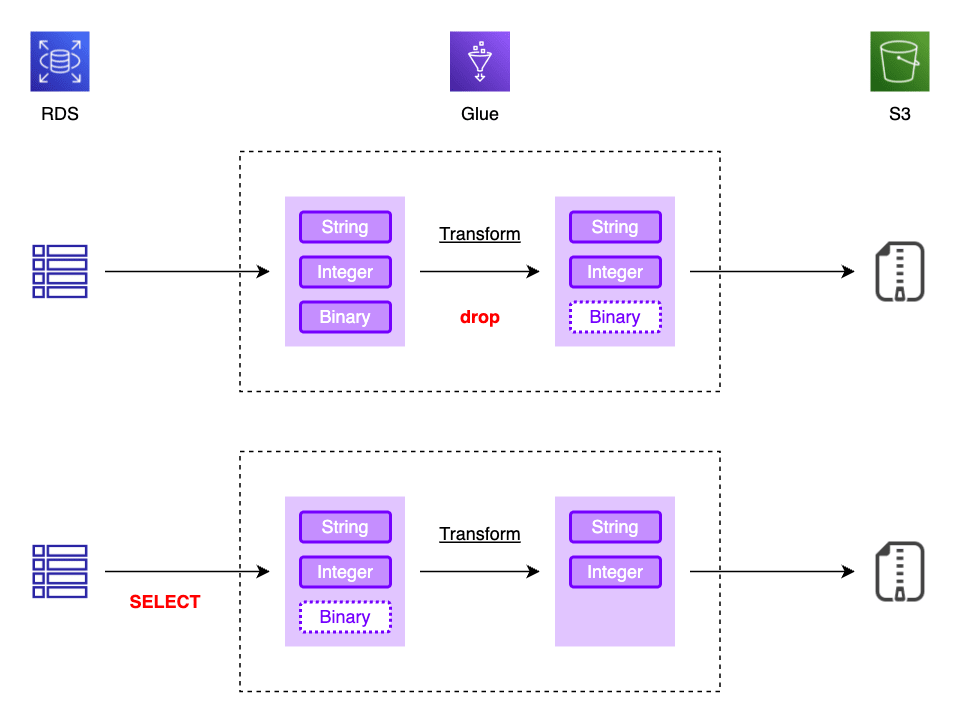
Glue DynamicFrame 生成時のカラム SELECT でパフォーマンス改善した話

🤩Day6 📍How to create Dynamic Frame Webpage 🏞️ using HTML 🌎🖥️ Beginners

AWS Glue create dynamic frame SQL & Hadoop
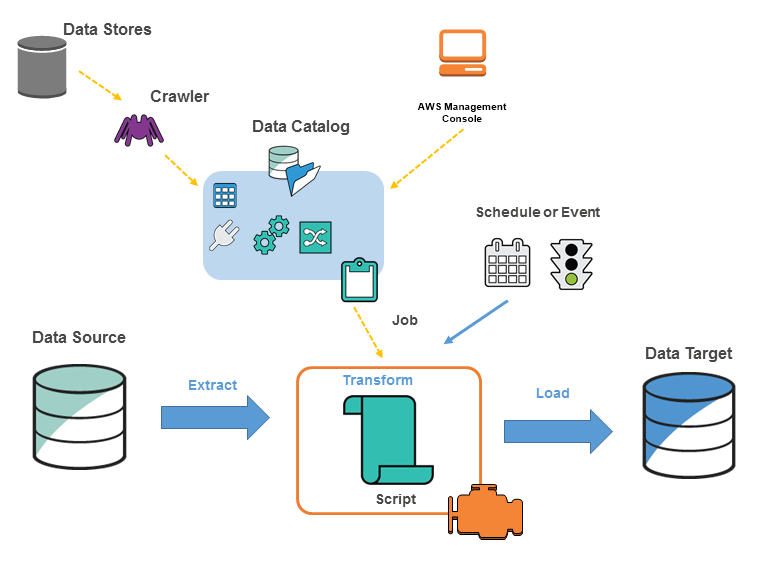
Dynamic Frames Archives Jayendra's Cloud Certification Blog

glueContext create_dynamic_frame_from_options exclude one file? r/aws
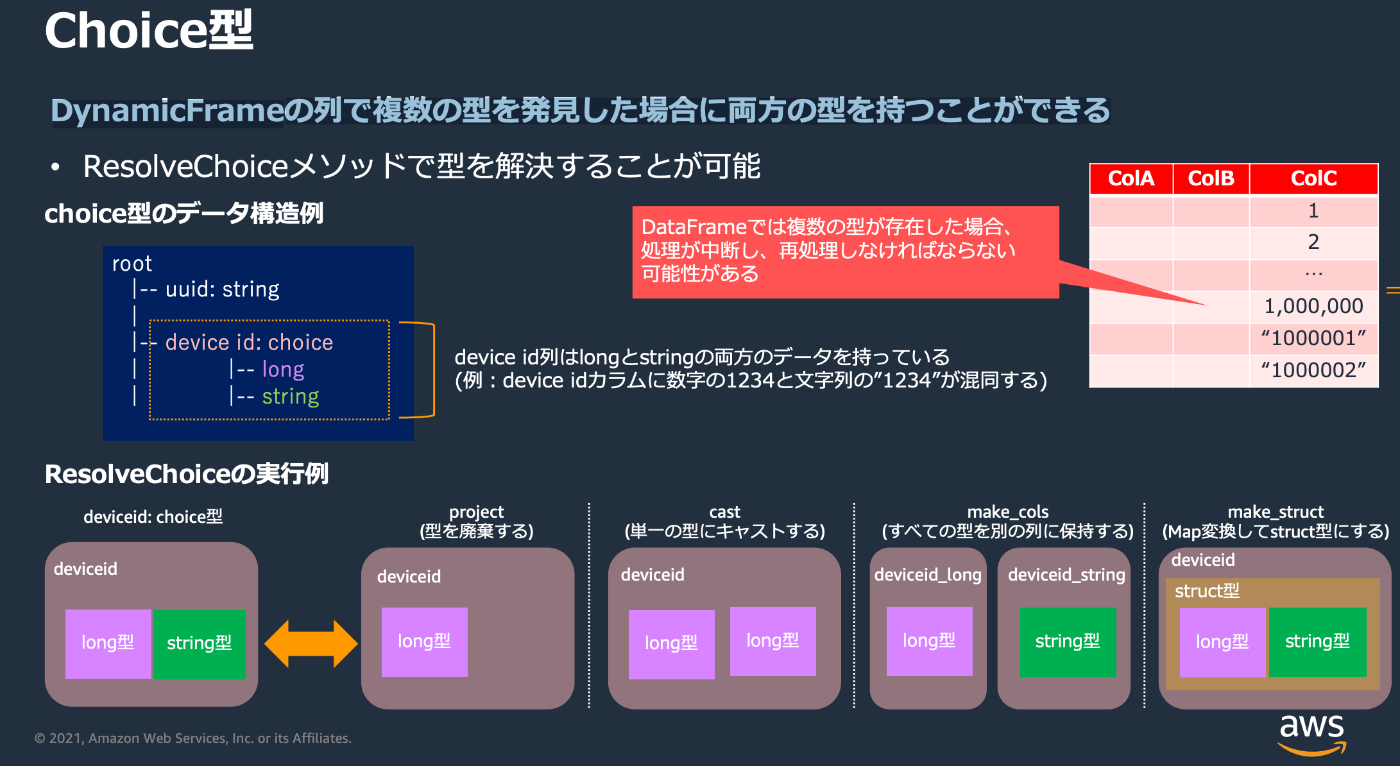
AWS Glueに入門してみた
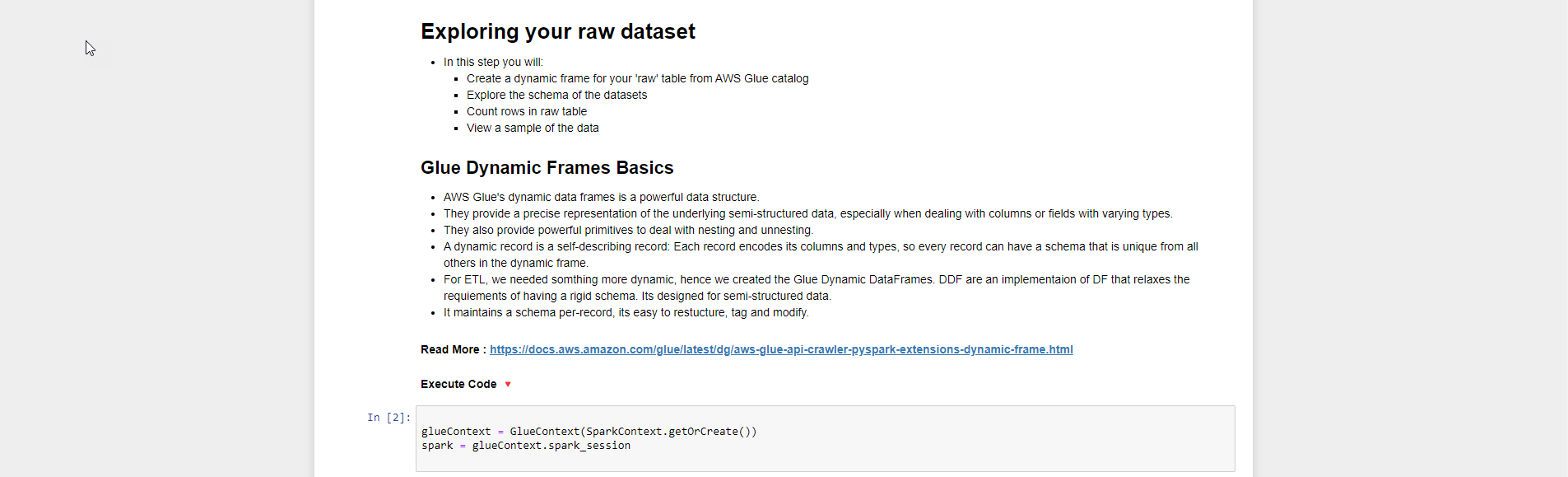
Chuyển đổi dữ liệu XÂY DỰNG DATALAKE VỚI DỮ LIỆU CỦA BẠN
6 Ways to Customize Your Facebook Dynamic Product Ads for Maximum

AWS Glue DynamicFrameが0レコードでスキーマが取得できない場合の対策と注意点 DevelopersIO
Optimizing Glue jobs Hackney Data Platform Playbook
Now, I Try To Create A Dynamic Dataframe With The From_Catalog Method In This Way:
In This Article, We'll Explore Five Best Practices For Using Pyspark In Aws Glue And Provide Examples For Each.
Dynamicframes Can Be Converted To And From Dataframes Using.todf () And Fromdf ().
The Athena Table Is Part Of My Glue Data Catalog.
Related Post: